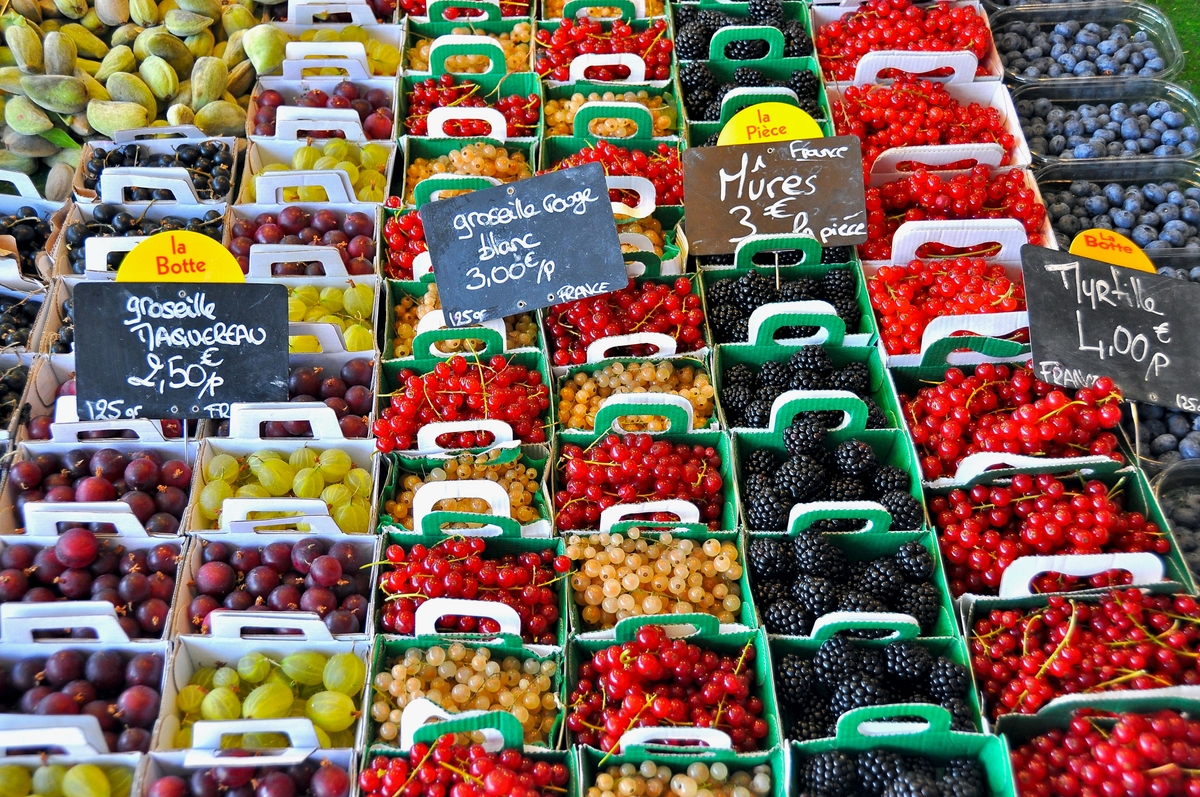
A market trader must therefore formalize their business before occupying a spot at the market. From business registration to finding a location, selling at markets requires completing certain formalities. What formalities must be completed and which status should be adopted to sell at markets? This guide explains how to run a commercial activity outdoors.
Selling at markets: Which status to choose?
Before setting up a stall in a covered market hall or an open-air market, you must declare your activity. This involves obtaining a business status and registering with the Companies Register. As for the status, the sole trader (micro-entrepreneur) regime is the most suitable option for selling at markets.
A simplified tax regime
With several advantages, this status first of all lets you benefit from a simplified tax regime. Sole traders enjoy a VAT exemption threshold and great flexibility when paying social contributions. With no revenue, no social charges apply. On top of that, bookkeeping is reduced to keeping a revenue book.
The sole trader status: who is it for?
This status is open to anyone carrying out an activity for profit, with no requirement to contribute capital. It covers both service provision and the sale of goods.
How to obtain this status
Since 1 January 2023, it has been mandatory to submit your application for status and registration through the single counter (guichet unique). For a craftsperson, the Craft Chamber (CMA) is the competent body to carry out all the formalities. If you are a mobile trader, however, you must go through the Chamber of Commerce and Industry (CCI).
Finding a location: which permits to obtain?
Selling products in a market hall or open-air market always requires a permit for temporary occupation of public land. Whether you've had the luck of finding a fixed or occasional spot, this permit must be presented to the inspector. So, before renting a space, you must register with the local town hall or the market's delegated operator.
Temporary and fixed locations
Today, finding a spot has become a long, drawn-out process if you want to sell at markets. Almost every square metre is reserved for fixed stalls. As a result, merchants planning to sell at markets rent these spaces for periods of 3 to 12 months. Only the vacant areas are offered to mobile traders. These are made available in the absence of the tenant. In general, these spots are free for a half-day or a full day.
How to obtain a location
Before you can sell at markets, you must submit your location request to the municipal stall officer (receveur-placier). Allocation is often done by lottery. If that's not the case, first come, first served, subject to available space. Indeed, the stall officer processes requests in the order in which mobile traders arrive, according to the waiting list.
Paying the stall fee
Selling at markets can be more or less expensive. The rental price per square metre varies from one municipality to another. It can also vary depending on the time of year and the events held on site. For a fair or exhibition, the stall rental request is sent to the event organizer. Whatever the activity, the cost per linear metre occupied is always the same for all merchants.
Essentials for a sustainable market business
Besides registering your status and applying for temporary occupation, other steps help you sell at markets on a long-term basis. Very often, fair organizers ask participants for a certificate of professional liability insurance. This coverage protects the non-sedentary professional against theft, as well as damage to equipment and to third parties.
Finally, you must also hold a mobile merchant card (carte commerçant ambulant) to carry out your activity in the long term. This application can be sent to the Business Formalities Center (CFE) by registered mail with acknowledgment of receipt.
Discover Stancer, the mobile POS suited to small transactions
A mobile trader can use a mobile payment solution, very practical for settling purchases by bank card. Offering a payment terminal plan suited to small amounts, Stancer favors transactions under €7 by not applying fixed fees.
Even better, the merchant gets a payment terminal with no commitment and no subscription to sell at markets. The terminal is provided free of charge once 150 transactions are completed in a month! With Stancer, choose a mobile payment solution that improves your customers' shopping experience at a very competitive price.
Tap to Pay, to accept all types of payment
With Tap to Pay on iPhone and the Stancer app, you can accept all types of in-person and contactless payments directly on your smartphone, whether they come from bank cards, Apple Pay, or other digital wallets. No terminal or additional hardware is required.